

Keys Locked in Back of Van Secured by L4V Slam Locks
Keys are locked in van with Locks 4 vans slam locks
In the world of van security, every detail matters.
When the keys are locked in the back of the van, and the vehicle is secured by L4V slam locks, the situation can be urgent and stressful. 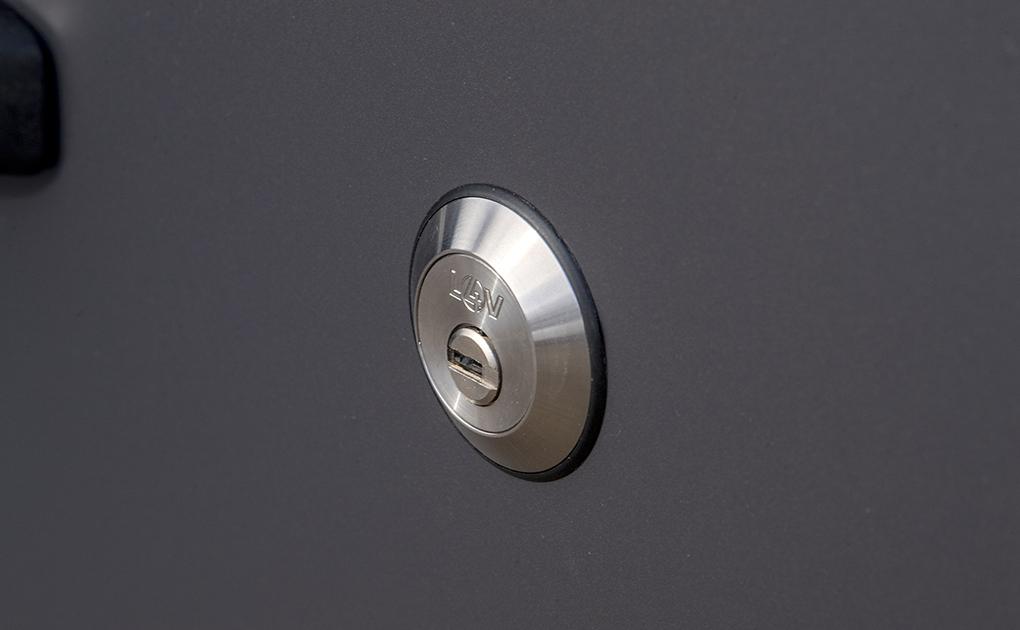
This post dives into why this setup matters, best practices to prevent it, and practical steps to take if it happens.
We’ll weave in practical tips and real-world considerations to help fleets and drivers stay secure and minimize downtime.
Understanding L4V Slam Locks and Their Role in Van Security
L4V slam locks are a popular choice for commercial vehicles because they provide an extra layer of security that automatic central locking doesn’t always offer. With slam locks, each door locks individually as you close it, which means there’s no need to rely on the van’s interior locking mechanism to secure the cargo area. This design is especially useful for high-value shipments and multi-drop deliveries, where different crew members gain access at various points in the journey.
Key benefits include:
- Enhanced security for loaded cargo from the moment a door is closed.
- Reduced risk of tailgate or secondary lock tampering.
- Faster, one-step locking that can be more convenient for drivers making frequent stops.
However, even with L4V slam locks, the scenario of keys locked in back of van can occur if drivers forget to remove keys from the back compartment, or if a misalignment between lock status and access points happens. Understanding how these systems interact with human behavior is essential to prevent costly delays.
Why Keys Locked in Back of Van Happen with Slam Locks
Several common scenarios can lead to keys being locked inside a van that uses L4V slam locks:
- Fast-paced deliveries: When drivers quickly close multiple doors, it’s easy to forget where the keys are stored or to assume a central locking sequence will keep them safe.
- Multi-door configurations: Vans with separate rear or side doors can create confusion about where the keys are kept, increasing the chance of leaving them inside.
- Human error in switching access points: If a driver expects a particular door to stay unlocked during a handover, the slam lock system can still secure that door when closed, trapping the keys inside the back.
- Unintended lockout during loading: Cargo or internal compartments may require a temporary lock, and the keys can be left in a location that becomes inaccessible once the doors slam shut.
Being aware of these patterns helps fleet managers design procedures to minimize the risk and to respond more quickly when it happens.
Prevention Strategies: Reducing the Risk of Keys Locked in Back of Van
Prevention is better than dealing with a lockout, especially when L4V slam locks are involved. Consider these practical strategies:
- Implement a key-check protocol: Before leaving a vehicle, staff should perform a quick key-check checklist, confirming where keys are stored and ensuring they’re not inside the back or any locked compartment.
- Assign a dedicated key holder: For multi-driver fleets, designate a single driver or a specific role responsible for keys during shifts. This reduces confusion and ensures accountability.
- Use a second, clearly marked key: A secondary set of keys kept at the depot or with a supervisor can dramatically reduce downtime if keys are accidentally left inside.
- Visual cues and training: Train drivers to pause and verify both door status and key location. Clear signage and short training refreshers can reinforce the habit.
- Practice with L4V slam locks: Run dry runs or drills that simulate a real lockout. This helps drivers understand the mechanical behavior of slam locks and where keys are most at risk of being left behind.
- Equipment placement optimization: Store keys in a clearly marked, dedicated compartment inside the cab or in a portable key pouch that cannot be easily mistaken for cargo keys. Ensure the placement is consistent across the fleet.
What to Do If You Do End Up With Keys Locked in Back of Van
If the keys are locked in the back of the van, speed and a calm approach are essential. Here are recommended steps:
- Confirm the situation: Verify that the keys are indeed inside the back compartment and not in a pocket or on the driver.
- Contact a trained locksmith or vehicle manufacturer support: For L4V slam locks opened, you’ll want specialists who understand slam lock mechanics to avoid damaging the doors or locks. A professional can assess whether non-destructive entry is possible.
- Check for spare keys at the depot: If a spare set exists, arrange secure transport to the vehicle without compromising the cargo or schedule.
- Use approved emergency access tools: Some fleets equip vans with approved tools or devices designed to gain access without causing damage. Only use tools that comply with your security policy.
- Review and adjust procedures post-incident: After resolving the immediate lockout, update training and protocols to reduce the chance of recurrence.
If you are in Nottingham, Leicester, Loughborough or Derby areas , Nottingham car keys are specialists in gaining non destructive entry to L4V Locks.
When faced with your keys locked in the back of your van with L4V security locks, these pages may help you ;
Nottingham car keys L4v Lock opening
The Role of Locks 4 Vans Slam Lock Opening in Emergency Scenarios
In particular, the topic of “locks 4 vans slam lock opening” focuses on how professionals handle urgent access requests when slam locks are engaged. Emergency access may involve service providers, fleet management teams, or locksmiths who are experienced with L4V systems. Coordination is key:
- Identify who has authorization to request slam lock opening.
- Ensure the person on site communicates clearly about the lock type and the door affected.
- Confirm the safety of personnel and cargo during any intervention.
- Keep a log of all incidents to identify recurring patterns and inform future prevention.
Final Thoughts
Keys locked in back of van situations are a common but manageable challenge when working with L4V slam locks. By adopting proactive prevention strategies, reinforcing driver training, and having a clear response plan, fleets can minimize downtime and keep deliveries on schedule. Remember to maintain spare keys where appropriate, conduct regular drills, and ensure staff are familiar with the procedures for “locks 4 vans slam lock opening.” With careful planning and the right expertise, you can maintain robust security without compromising operational efficiency. But when the worst happens and your keys are locked in the back , it is good to know that companies like Nottingham car keys can help quickly.